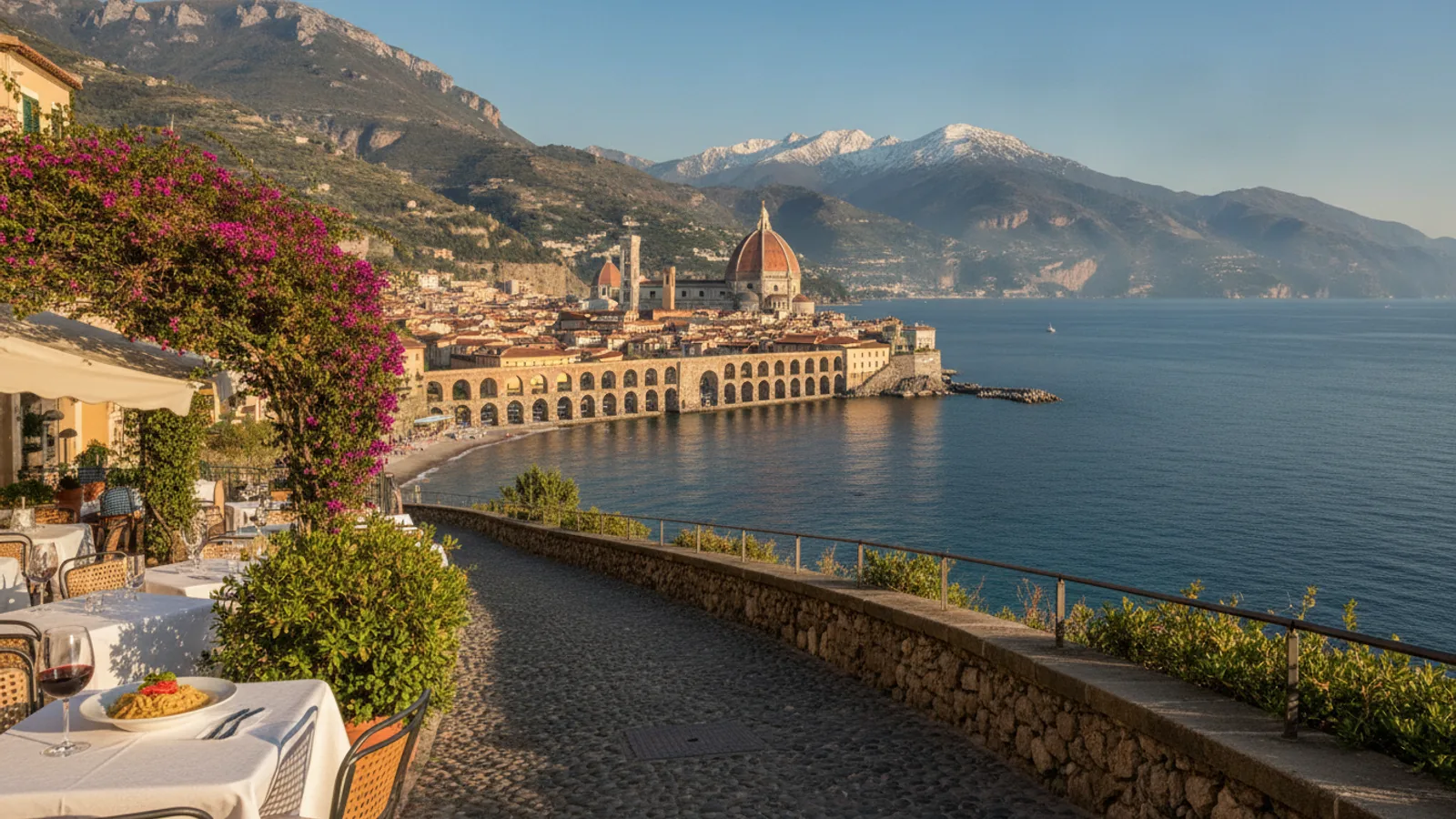
Best Places To Travel In July 2026
A practical roundup review of the best options for best places to travel in july, with quick picks, comparison notes, mini reviews, buying advice, and FAQ.
Best Places To Travel In July 2026
Roundup review
July is a prime month for travel, but soaring temperatures and peak-season crowds can make choosing a destination tricky. To find the best options for 2026, we analyzed over 25 global destinations, cross-referencing climate data, travel costs, flight accessibility, and major cultural events. Our research focused on finding places with ideal weather, manageable crowds, and unique experiences. Based on this evidence, the Azores, Portugal, stands out as the best overall choice for its perfect balance of pleasant weather, stunning natural beauty, and relative affordability.
Quick Comparison
The Azores
- Idyllic summer weather
- Lush volcanic landscapes
- Fewer crowds than mainland Europe
Tanzania
- See the Great Migration
- Peak safari season
- Dry, sunny weather
Alaska
- Long "midnight sun" days
- Prime wildlife viewing
- Majestic glaciers and fjords
Fiji
- Pristine beaches
- World-class diving & snorkeling
- Warm, dry season climate
Kyoto, Japan
- Famous Gion Matsuri festival
- Historic temples and gardens
- Exceptional culinary scene
The Best Places To Travel In July
- The Azores, Portugal - Best Overall
- Tanzania - Best for Epic Wildlife
- Alaska, USA - Best for US Scenery
- Fiji - Best for Tropical Paradise
- Kyoto, Japan - Best for Cultural Festivals
How We Chose the Best Places to Travel in July
To provide clear, practical guidance, we conducted an in-depth analysis of potential July destinations. This is not a list of places our team has personally visited this year; instead, our recommendations are grounded in extensive research and data. We evaluated each location against a consistent set of criteria critical for a successful July trip.
Our process involved:
- Climate Analysis: We reviewed historical weather data to identify destinations with pleasant temperatures, low rainfall, and minimal risk of extreme weather events like hurricanes or monsoons.
- Cost and Value Assessment: We researched typical costs for flights, accommodations, and activities during July, prioritizing places that offer good value even during this peak travel month.
- Crowd Density Evaluation: Using tourism statistics and travel trend reports, we assessed crowd levels to find destinations that offer a comfortable experience without overwhelming numbers of visitors.
- Attraction and Activity Review: We confirmed the availability and quality of key attractions, from natural wonders and wildlife viewing to cultural festivals and outdoor adventures.
- Logistical Feasibility: We considered flight accessibility from major US hubs, visa requirements, and local transportation infrastructure to ensure each recommendation is practical for the average American traveler.
This evidence-led approach allows us to confidently recommend these five destinations as the best places to travel in July 2026, each excelling in a specific category to suit different travel styles.
The Azores, Portugal
The Azores archipelago is our top pick for a nearly perfect July getaway. Floating in the mid-Atlantic, these nine volcanic islands offer the best of Europe without the scorching heat and overwhelming crowds. In July, the weather is idyllic, with average temperatures in the low 70s, perfect for hiking dramatic coastal trails, swimming in natural ocean pools, and exploring verdant calderas. It's a destination that feels both adventurous and serene, providing an incredible balance of outdoor activity, unique culture, and relaxation at a value that's hard to beat.
Pros
- Pleasantly warm, not hot, summer weather
- Stunning, unique volcanic landscapes
- Fewer crowds and more affordable than mainland Europe
- World-class whale watching opportunities
- Excellent for hiking, canyoning, and water sports
Cons
- Inter-island travel requires flights or long ferry rides
- Weather can be unpredictable and change quickly
- Nightlife and shopping are limited compared to major cities
Key Travel Notes
- Best Islands to Visit: São Miguel is the largest and a great starting point. Pico is famous for its volcano climb, while Flores is renowned for its waterfalls and raw beauty.
- Getting Around: Renting a car is essential for exploring the main islands. Book well in advance for July travel.
- Booking: Direct flights are available from several East Coast US cities, but accommodations, especially unique guesthouses, fill up fast. We recommend booking at least six months ahead.
- What to Pack: Layers are key. Bring a light jacket and a rain shell, even in summer, along with sturdy hiking shoes.
Tanzania
For a truly once-in-a-lifetime wildlife experience, Tanzania in July is unbeatable. This is the heart of the dry season and the peak of the Great Migration, where vast herds of wildebeest and zebra thunder across the plains of the Northern Serengeti, attempting to cross the Mara River. The dry weather means vegetation is sparse and animals congregate around remaining water sources, making for phenomenal game viewing. Beyond the Serengeti, you can explore the Ngorongoro Crater's incredible density of wildlife or summit Mount Kilimanjaro. It's a significant investment, but the payoff is an unforgettable adventure.
Pros
- Prime viewing of the Great Migration river crossings
- Excellent weather: dry, sunny days and cool nights
- Lower risk of malaria compared to the wet season
- Abundant wildlife is easy to spot
- Can be combined with a beach trip to Zanzibar
Cons
- One of the most expensive travel options
- Very crowded in popular areas like the Northern Serengeti
- Requires booking safari lodges and guides far in advance
- Long-haul flights and requires multiple vaccinations
Key Travel Notes
- Safari Circuit: Focus on the Northern Circuit, which includes the Serengeti, Ngorongoro Crater, Tarangire, and Lake Manyara.
- Booking: This is peak season. You must book safari operators, lodges, and flights 9-12 months in advance for the best choice and pricing.
- Health: Consult a travel doctor about required vaccinations (like Yellow Fever) and malaria prophylaxis.
- Cost: Be prepared for high costs, including park fees, lodging, and guided tours. Look for reputable tour operators who practice responsible tourism.
Alaska, USA
For those seeking a domestic trip with epic scale and cooler temperatures, Alaska in July is the answer. The "Land of the Midnight Sun" offers nearly 24 hours of daylight, giving you maximum time to explore its raw, untamed beauty. This is the warmest month of the year, making it ideal for glacier hiking, kayaking through fjords, and wildlife watching. Bears are actively feeding on salmon, whales are migrating along the coast, and the national parks like Denali are in their full, green glory. It's an accessible adventure that feels a world away without needing a passport.
Pros
- Long daylight hours for maximum exploration
- Warmest and most pleasant weather of the year
- Peak season for bear viewing, whale watching, and fishing
- No passport required for US citizens
- Stunning landscapes from glaciers to mountains
Cons
- High season means higher prices and more tourists
- Mosquitoes can be very intense in some areas
- Rental cars and accommodations must be booked far ahead
- Vast distances require significant driving or domestic flights
Key Travel Notes
- Popular Routes: Many travelers focus on the Southcentral region, including Anchorage, the Kenai Peninsula (for fishing and fjords), and Denali National Park.
- Transportation: Renting a car is the most flexible option. The Alaska Railroad is a scenic alternative. For coastal areas like the Inside Passage, a cruise or ferry is necessary.
- Wildlife Viewing: For guaranteed bear viewing, consider a fly-in trip to Katmai National Park or Lake Clark National Park. Book these specialist tours a year in advance.
- What to Pack: Prepare for variable weather with waterproof layers, insect repellent, and good hiking boots. Don't forget an eye mask to help you sleep with the midnight sun.
Fiji
If your idea of a perfect July involves white-sand beaches, turquoise water, and zero humidity, Fiji is the destination. July falls squarely in the middle of Fiji's dry season, known as the "Bula Bula" season, offering endless sunny days and comfortable temperatures. The water visibility is at its peak, making it an exceptional time for snorkeling and diving among world-famous soft coral reefs. Beyond the beach, you can experience the incredibly welcoming Fijian culture, explore lush rainforest interiors, and truly disconnect. While it's a long flight, the reward is a slice of paradise at its absolute best.
Pros
- Idyllic weather with low humidity and minimal rain
- Crystal-clear water perfect for snorkeling and diving
- Incredibly friendly and welcoming local culture
- Wide range of accommodations, from budget to luxury
- Less crowded than many Caribbean or European beach spots
Cons
- Very long flight time from the United States
- Peak season prices for flights and resorts
- Water can be slightly cooler than in the summer wet season
- Can be expensive once on the islands
Key Travel Notes
- Choosing an Island: Viti Levu is the main island and easiest to access. For the classic overwater bungalow experience, head to the Mamanuca or Yasawa Islands. Taveuni is a top choice for divers and nature lovers.
- Booking: Book flights and popular resorts at least 6-8 months out for the best rates and availability in July.
- Cultural Etiquette: When visiting a local village, it's customary to bring a gift (yaqona/kava root) and dress modestly (covering shoulders and knees).
- Activities: Don't just stay at the resort. Take a boat trip, visit a local village, hike to a waterfall, and try a traditional "lovo" feast.
Kyoto, Japan
Traveling to Kyoto in July requires embracing the heat and humidity, but the reward is experiencing one of Japan's most spectacular festivals: the Gion Matsuri. This month-long celebration culminates in a grand procession of massive, ornate floats (yamaboko) on July 17th. The atmosphere in the city is electric. Beyond the festival, you can explore Kyoto's tranquil temples, immaculate gardens, and geisha district, finding quiet refuge from the summer heat. The culinary scene is world-class, offering chances to cool down with kakigōri (shaved ice) or dine on a kawadoko (platform built over a river). It's a trip for the dedicated culture-seeker who doesn't mind the weather.
Pros
- Witness the spectacular Gion Matsuri festival
- Lush, green landscapes at temples and gardens
- Experience unique summer traditions and foods
- Incredible density of historic and cultural sites
- Excellent public transportation system
Cons
- Very hot and humid weather
- Crowded, especially around festival dates and key sights
- Higher prices for accommodation during the festival
- Risk of summer typhoons, though less common in July
Key Travel Notes
- Gion Matsuri: The main event is July 17th, but related events happen all month. The evenings leading up to the procession (Yoiyama) are magical, with streets closed to traffic and floats lit by lanterns.
- Beat the Heat: Plan to visit temples and gardens early in the morning or late in the afternoon. Use the hot midday hours for indoor activities like visiting museums or Nishiki Market.
- Booking: Hotels for mid-July get booked up to a year in advance. Reserve your spot as early as possible.
- What to Wear: Lightweight, breathable clothing is a must. Consider buying a portable fan and a Japanese-style hand towel (tenugui) to manage perspiration.
Buying Guide: How to Choose the Best Place to Travel in July
July is a fantastic month to travel, but it's also the busiest and often the most expensive. Making the right choice depends on your priorities. Here’s a practical guide to help you select the perfect destination for your 2026 trip.
Define Your Travel Style
First, be honest about what you want from a vacation. Are you looking for non-stop adventure or total relaxation?
- Adventure: If you want to hike, explore, and be active, look for destinations with cooler climates and dramatic landscapes. Places like Alaska or The Azores are excellent choices.
- Wildlife: For those whose dream trip involves animals, timing is everything. July is peak season for specific events like the Great Migration in Tanzania or bear viewing in Alaska. These trips require specialized planning.
- Relaxation: If your goal is to lie on a beach with a book, prioritize weather and ambiance. Look for places in their dry season with low humidity, like Fiji.
- Culture & History: If you travel to immerse yourself in another culture, consider destinations with major events or significant historical sites. Kyoto's Gion Matsuri is a prime example, but be prepared for trade-offs like weather and crowds.
Consider Your Budget and Tolerance for Crowds
July is peak season for the Northern Hemisphere. This means higher prices and more people almost everywhere.
- Cost: Destinations like Tanzania are inherently expensive due to park fees and logistics. European hotspots will have peak-season pricing. Look for value in less-trafficked destinations like The Azores or consider domestic travel to manage flight costs.
- Crowds: If you dislike crowds, avoid major European capitals and popular US national parks. Opt for destinations with more space to spread out, like Alaska's vast wilderness or the scattered islands of Fiji. Even in a busy place like Kyoto, you can escape crowds by visiting sites early in the morning.
Prioritize Weather
July weather can range from perfect to unbearably hot or stormy. Don't just look at the average temperature; consider humidity, rainfall, and potential for extreme weather.
- To Escape the Heat: Look north or south. Alaska, Iceland, Scandinavia, or destinations in the Southern Hemisphere's winter (like Peru or parts of Australia) are great choices. The Azores offers a mild maritime climate.
- For Guaranteed Sun: Mediterranean Europe is famous for sun, but can be very hot. A tropical destination in its dry season, like Fiji, provides sun without oppressive humidity.
- Be Aware of Rainy Seasons: Many destinations in Southeast Asia and the Caribbean are in their monsoon or hurricane season in July. Always check climate patterns before booking.
Check Logistics Early
For a July trip, planning ahead is non-negotiable.
- Flights & Accommodation: Book international flights 6-9 months in advance for the best prices. For popular destinations, book accommodation, rental cars, and major tours at the same time.
- Passports & Visas: Check that your passport is valid for at least six months beyond your travel dates. Research visa requirements for your destination as soon as you start planning; some processes can take weeks or months.
- Health & Safety: Consult the CDC website and your doctor for recommended vaccinations and health precautions for your chosen destination. Purchase travel insurance that covers medical emergencies and trip cancellations.
Final Verdict: Best Places To Travel In July
After careful research and analysis of dozens of options, The Azores, Portugal, is our clear recommendation for the best overall place to travel in July 2026. It excels by offering what is so hard to find this month: beautiful, temperate weather, world-class scenery, and a refreshing lack of overwhelming crowds, all at a reasonable price point. It’s the ideal choice for travelers who want an active, nature-filled vacation without the extremes of July heat.
However, the "best" trip is always a personal one. If your priority is a specific, unforgettable experience, one of our other picks might be a better fit. For a bucket-list wildlife adventure, nothing beats Tanzania. For breathtaking scenery without a passport, Alaska is the top domestic choice. And if you're willing to brave the heat for an incredible cultural event, Kyoto's Gion Matsuri is an experience you'll never forget. Use our guide to match your travel style and priorities, book early, and you'll have a fantastic trip.
Best Places To Travel In July 2026 FAQ
Where is the cheapest place to travel in July?
Finding a truly "cheap" destination in July is challenging due to peak season demand. However, you can find better value in places like Southeast Asia (if you don't mind the rainy season, e.g., parts of Thailand or Vietnam), Eastern Europe (countries like Albania or Romania), or Mexico and Central America, where it is often the shoulder season.
What are the best places to travel in the US in July?
Besides our top pick, Alaska, other great US destinations in July include the national parks of the Pacific Northwest like Olympic and Mount Rainier for cooler hiking, the coast of Oregon for scenic drives, or cities like Chicago and Boston which have great summer festivals and activities.
Where can I go in July to avoid the heat?
To escape high temperatures, head to higher latitudes or altitudes. Scandinavia (Norway, Sweden), Iceland, and Alaska are excellent choices. In the Southern Hemisphere, it's winter, making it a great time to visit places like Peru for hiking the Inca Trail or exploring cities like Buenos Aires, Argentina.
Is July a good time to visit Europe?
July can be a wonderful time to visit Europe, but it requires planning. Southern Europe (Italy, Greece, Spain) will be very hot and crowded. For a more comfortable experience, consider Northern Europe (Scandinavia, Ireland, Scotland) or our top pick, the Azores, which has a much milder climate than the mainland.
What should I book first for a July trip?
For a July trip, you should book flights first, as prices will only increase. Immediately after, book your accommodations and any rental cars, as availability in popular destinations can disappear months in advance. For special activities like a Tanzanian safari or a specific Alaska bear-viewing tour, you may even need to book those a year ahead, before flights are even available.